
Fuji GA645
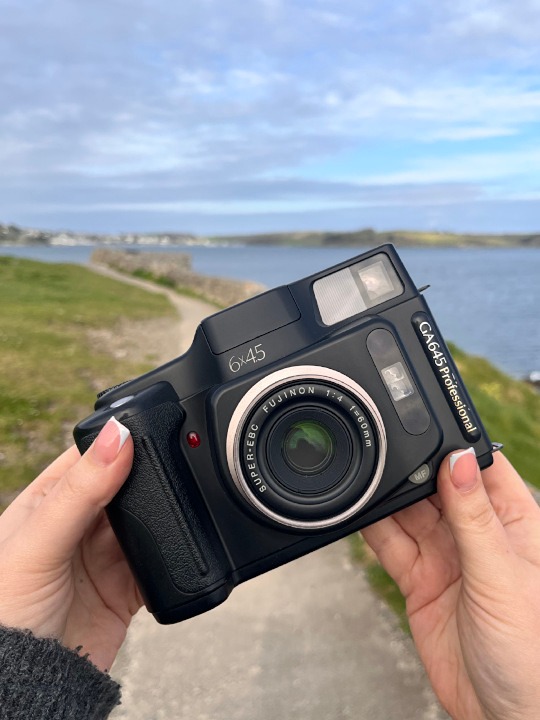
There’s a certain expectation that comes with medium format cameras… they’re often slow, deliberate and sometimes a little cumbersome. The Fuji GA645 quietly challenges that idea. I took the GA645 out along the Cornish coastal path and what stood out most wasn’t just the image quality, in fact it was how easy and enjoyable the entire experience felt.
Released in the mid 1990s, the GA645 was part of Fuji’s push to modernise medium format photography. Unlike traditional medium format systems, which often required manual focus and external metering, the GA645 introduced auto focus, auto exposure modes and a built in motor drive.
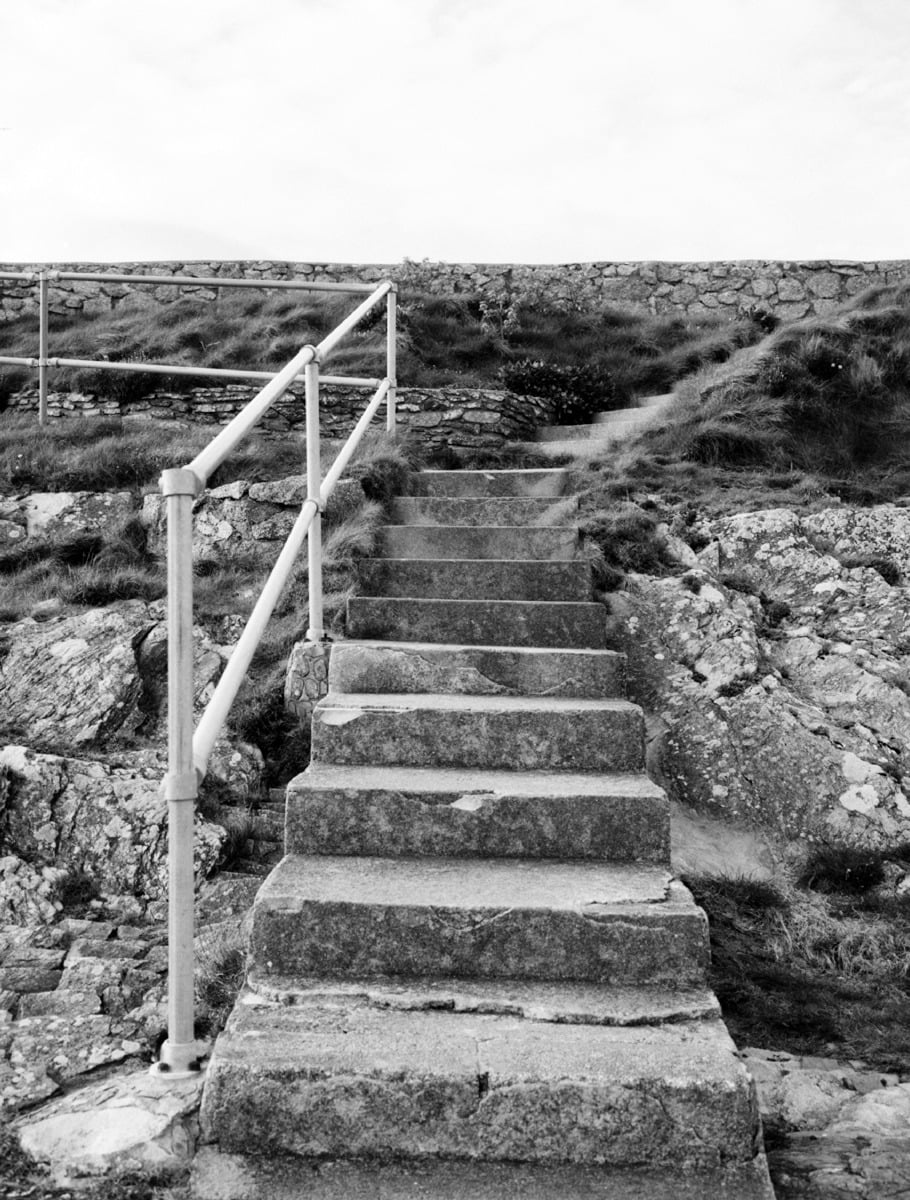
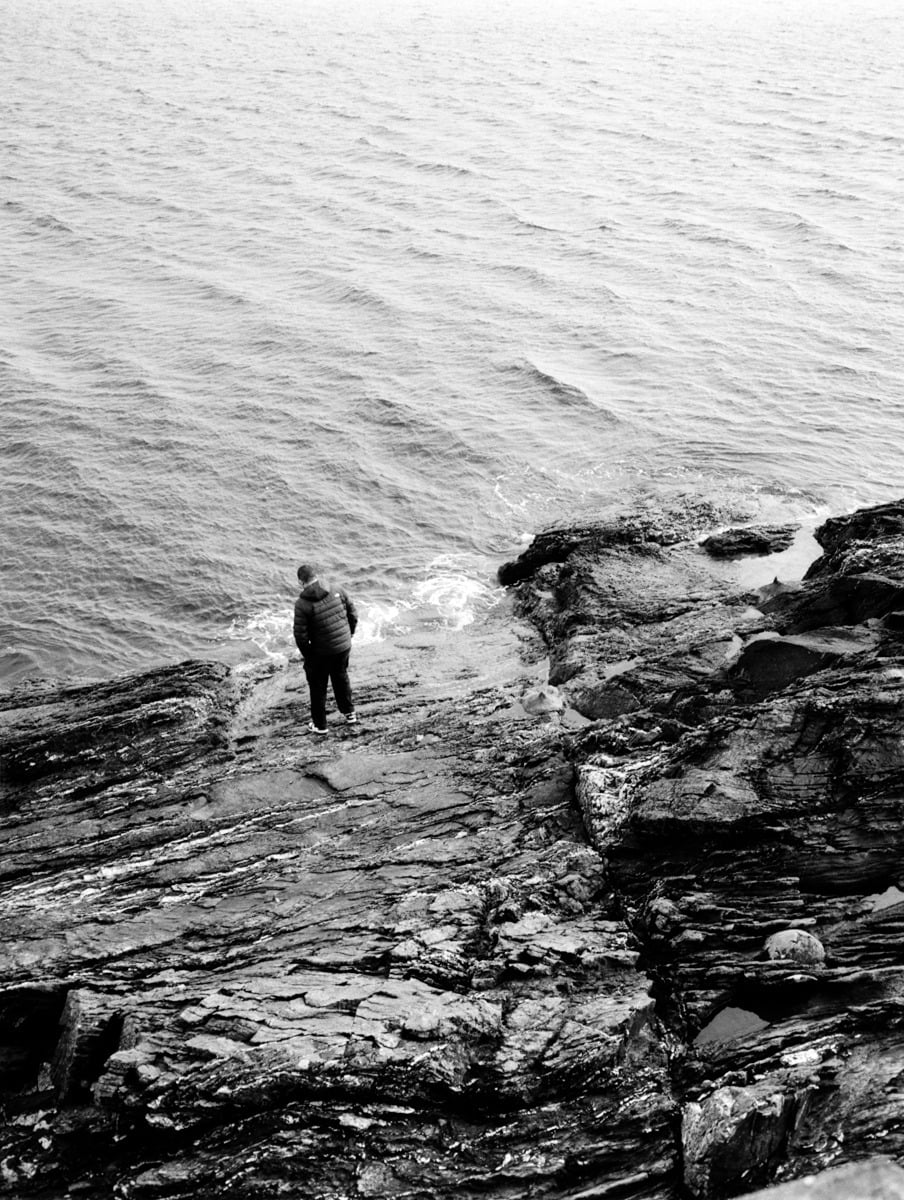
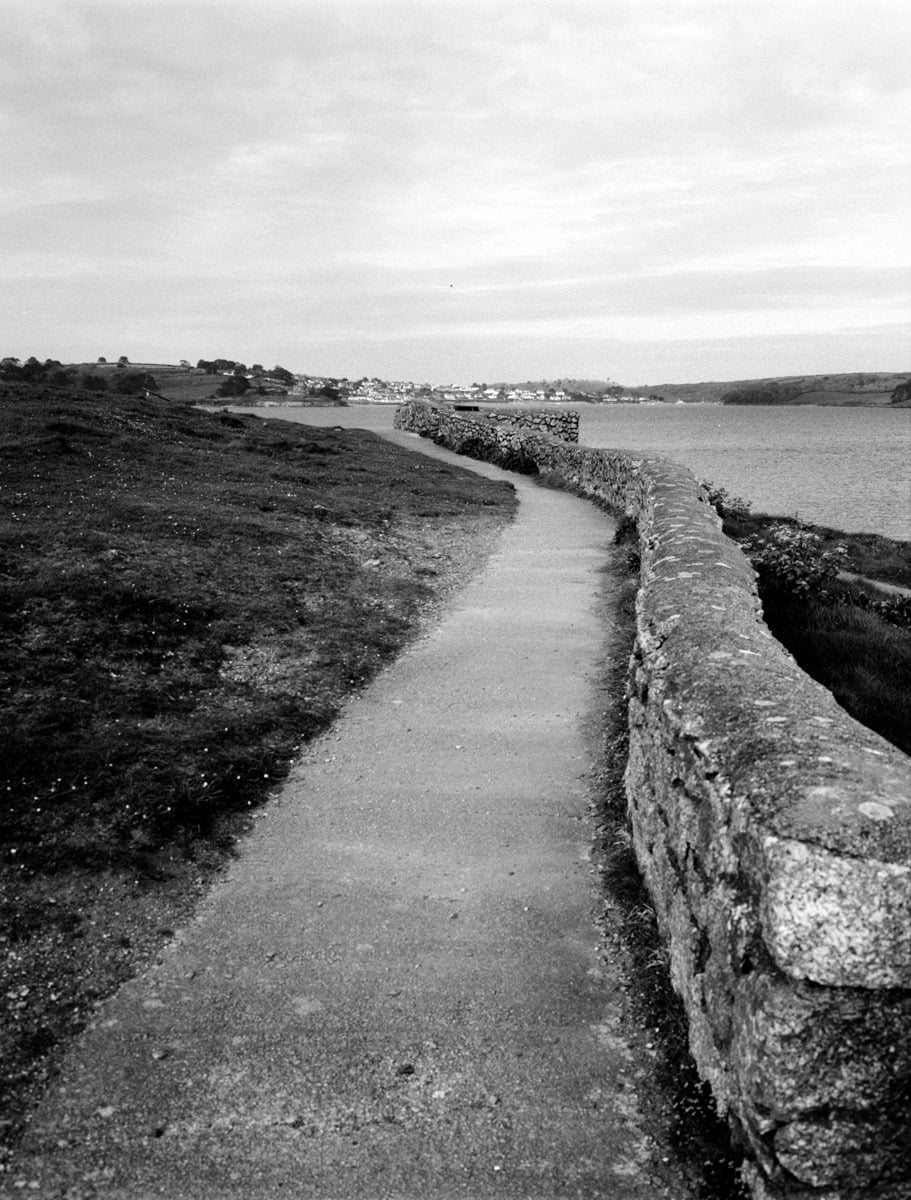
It was designed to make medium format more accessible, almost like a point and shoot but with significantly larger negatives. The camera shoots 6×4.5 format on 120 film, giving you more exposures per roll, while still delivering that unmistakable medium format look.
The GA645 is surprisingly compact for a medium format camera. It’s lightweight and well balanced. The fixed Fujinon Super EBC 60mm f4 lens is built into the cameras slick design. The lens is impressively sharp with beautiful contrast, and its natural field of view feels perfectly suited to both landscapes and everyday moments
The viewfinder is vertically oriented by default, which takes a little getting used to, but soon feels completely natural. It has a similar feel to shooting with a 35mm half frame camera and the portrait orientation makes composing intuitive… especially if (like me) you naturally gravitate towards vertical framing.
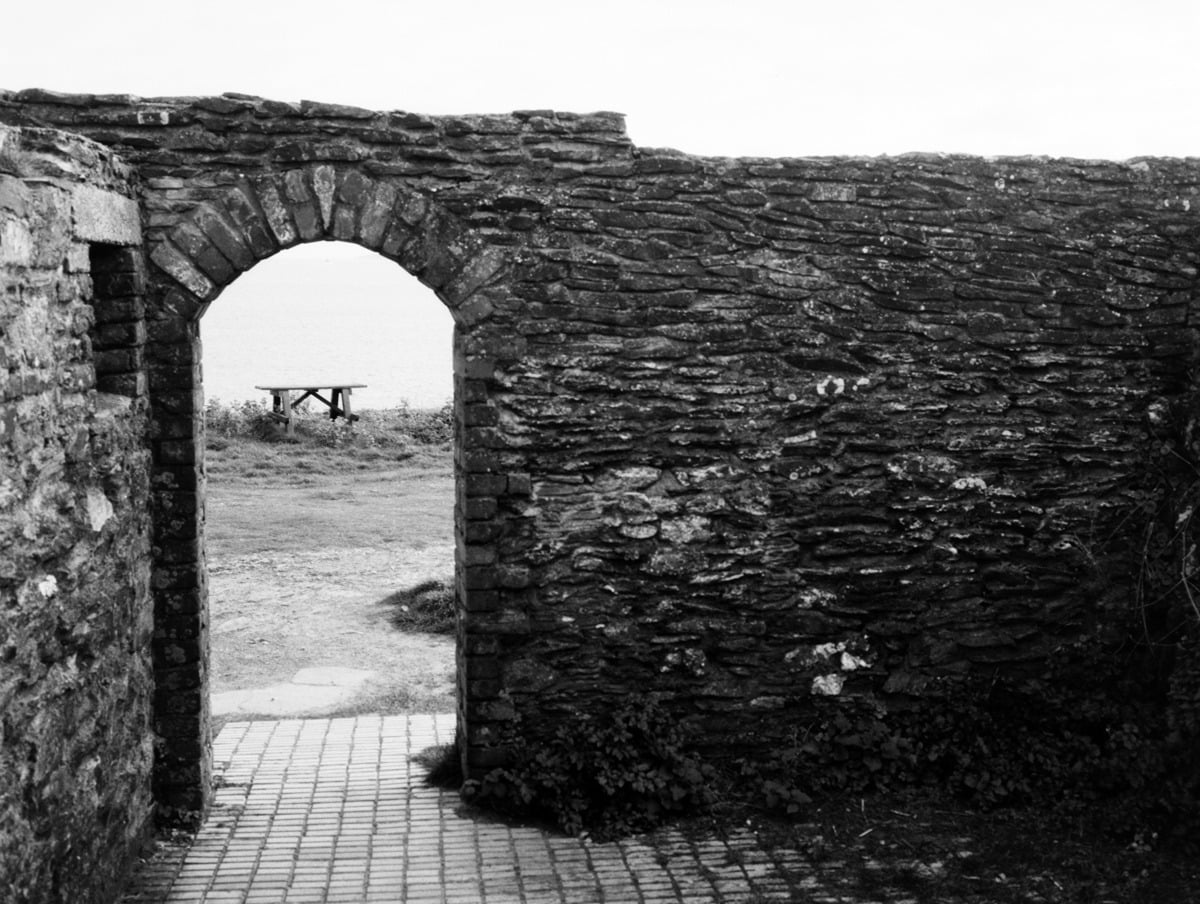
One of the standout features is the viewfinder. It gives you all the information that you need, and nothing more! The LED lights in the viewfinder give tell you the shutter speed, aperture and the distance between you and what you are photographing. The focusing detail adds a layer of awareness to your shooting, even though the camera is autofocusing. You’re not just pointing and shooting, you’re still connected to what the camera is doing. Importantly, all of this information is presented clearly, without clutter. You’re informed, but not distracted.
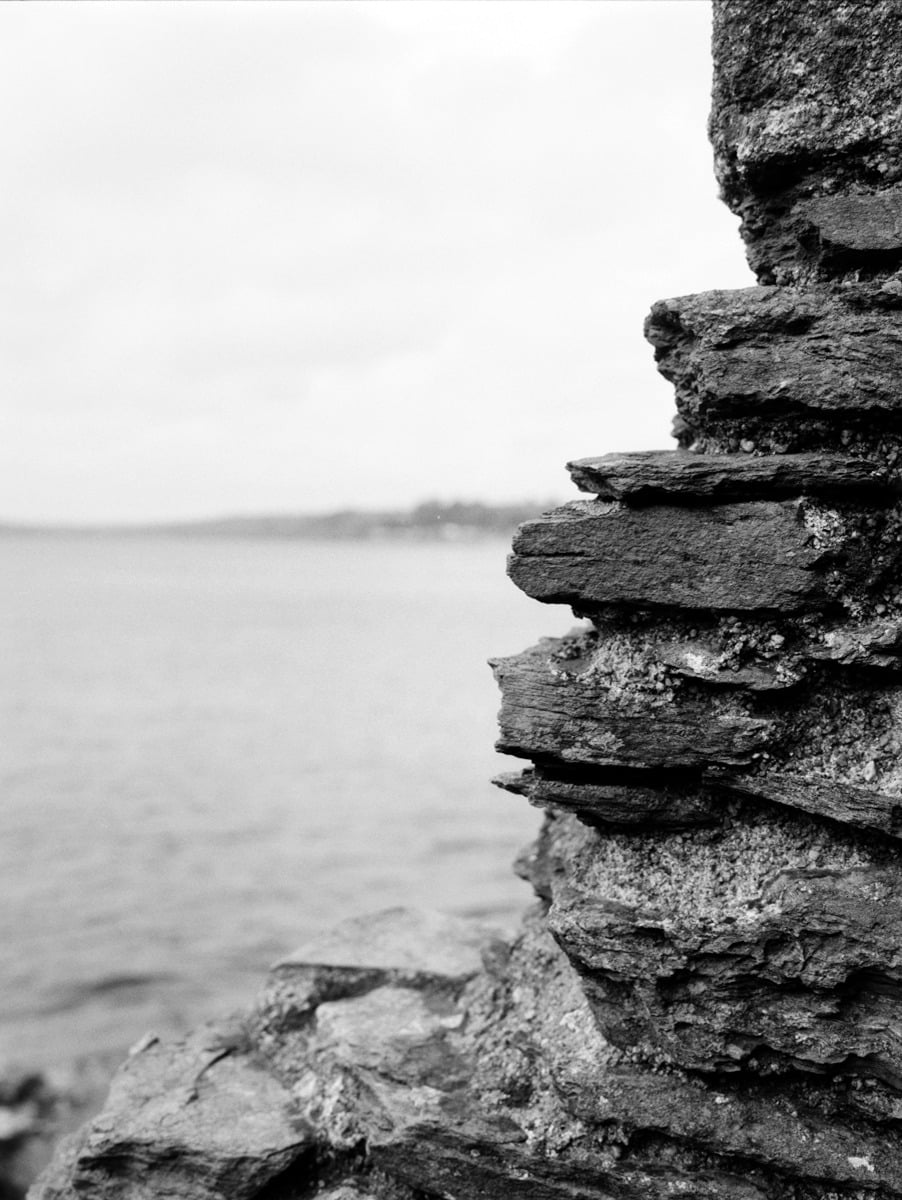
For this test, I shot entirely in Program mode. Normally, that might feel like giving up control but in this case it felt like the opposite. Using Program mode allowed me to trust the cameras metering and exposure system, confirm everything was working reliably and take more time in composing my shots. Exposure felt consistent, accurate and dependable throughout the walk, as you can see in the results, the camera handles the day well. The combination of medium format detail, point and shoot ease and its lightweight design makes it an ideal companion for this kind of shooting.
For this outing, I used Kentmere 200. Kentmere is a no nonsense black and white film known for its moderate contrast, fine grain and good sharpness. It’s a great everyday stock that is affordable, reliable and forgiving. The tonal range works nicely for coastal scenes too, handling bright skies and darker foregrounds without feeling too harsh. It proved itself as a camera that removes barriers rather than adding them.
This isn’t a camera that slows you down through complexity, it simplifies the process so you can enjoy it more. The Fuji GA645 is a rare thing, a medium format camera that feels genuinely effortless. If you want medium format quality without the usual complexity, the GA645 delivers quietly, reliably and with a lot of charm.
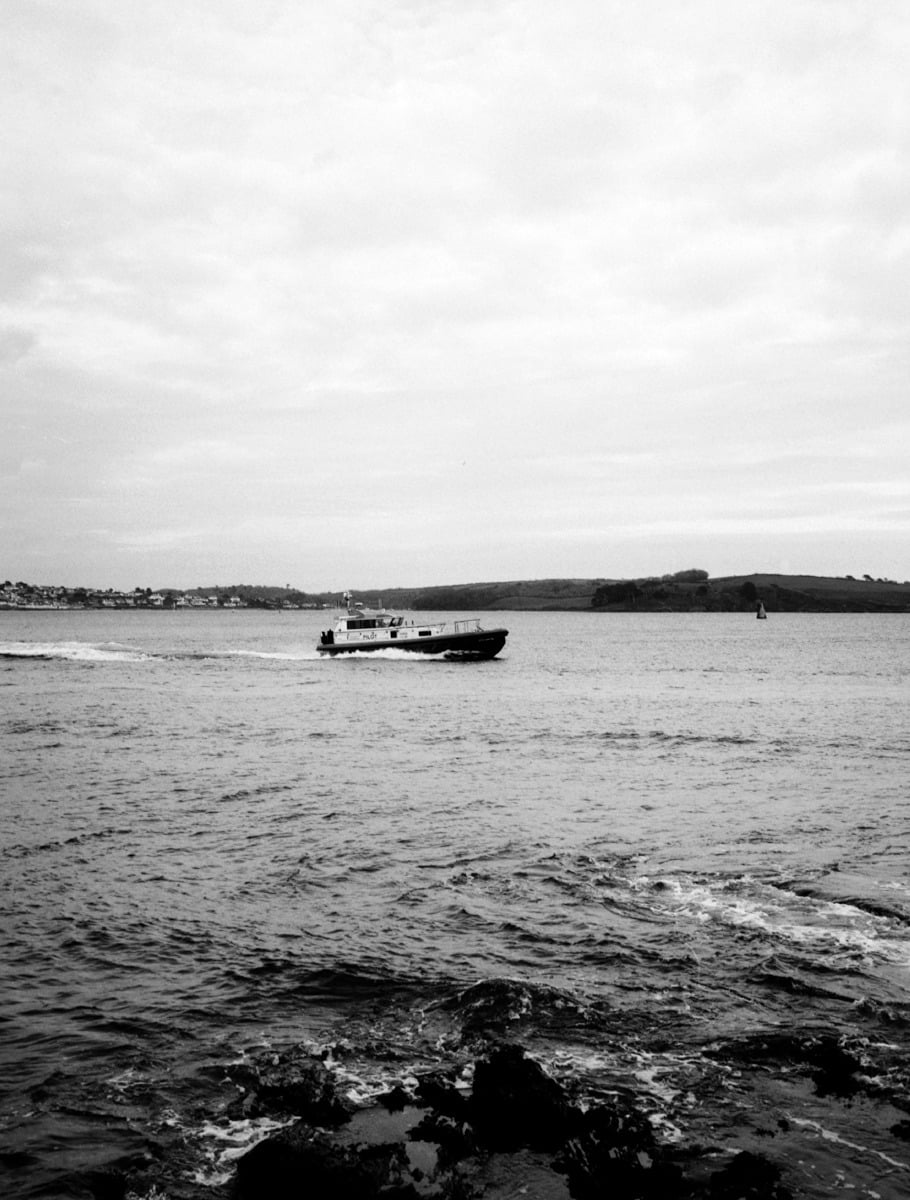
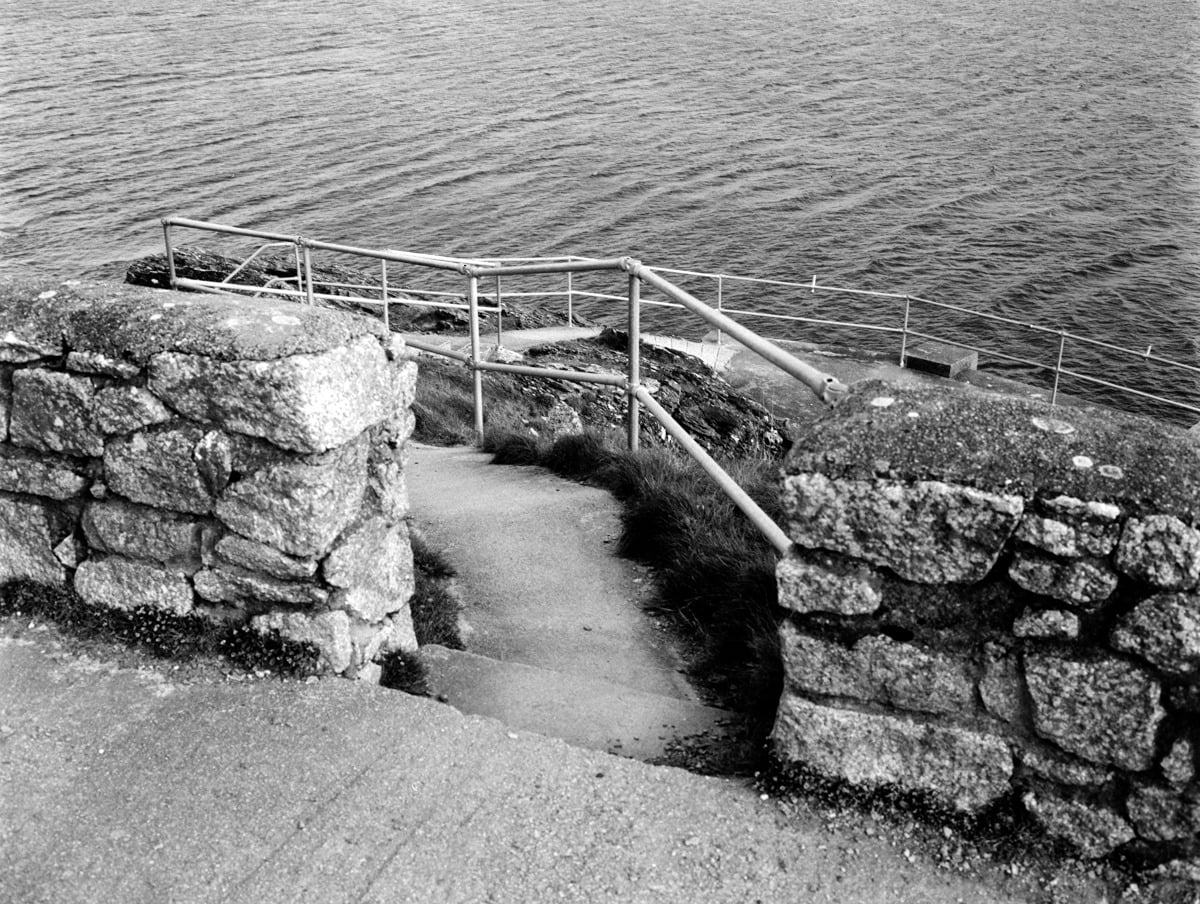
Shop the camera here
Check out the camera from this review. This camera has been checked, tested and is fully working. It has also been fitted with new light seals. Featuring a fixed Super EBC Fujinon 60mm f4 lens and includes original Fuji lens cap.
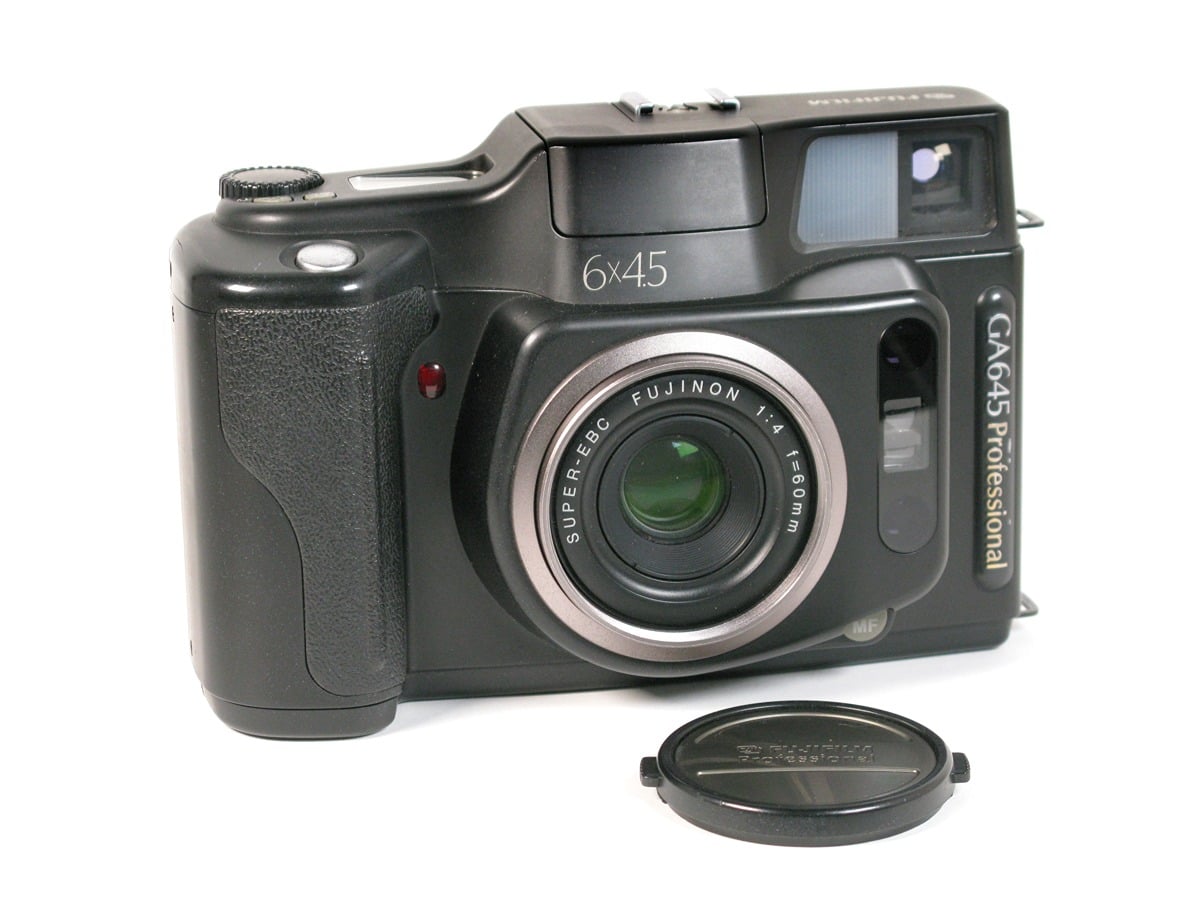
Fuji GA645 Professional