Leica M2
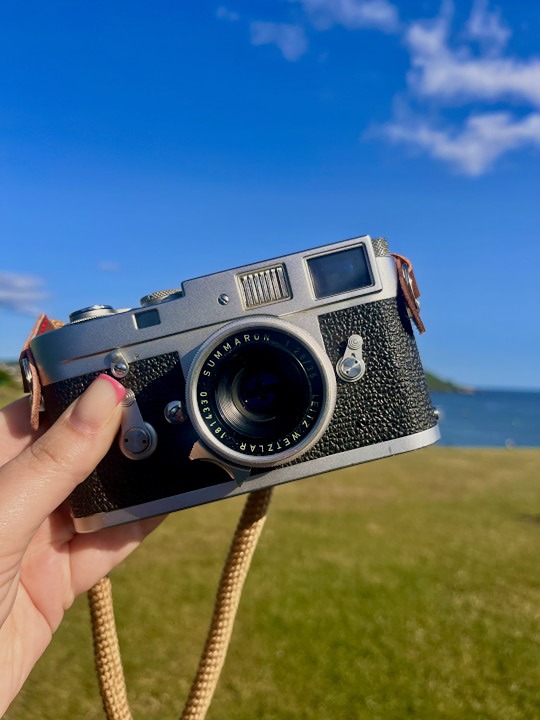
My first outing with a Leica camera began with an experience that every film photographer will find both charming and slightly nerve wracking… loading the film. The Leica M2, being fully mechanical and built in an era where simplicity was key, doesn’t handhold you through the process like modern film cameras. Sliding open the bottom plate, threading Kodak Pro Image 100 across the take up spool and carefully winding until tension held. I manually set the film counter, a small detail that reminds you just how involved shooting with this camera is. There’s a kind of satisfaction that comes from winding the lever, seeing the counter click over, and knowing you’re ready to shoot.
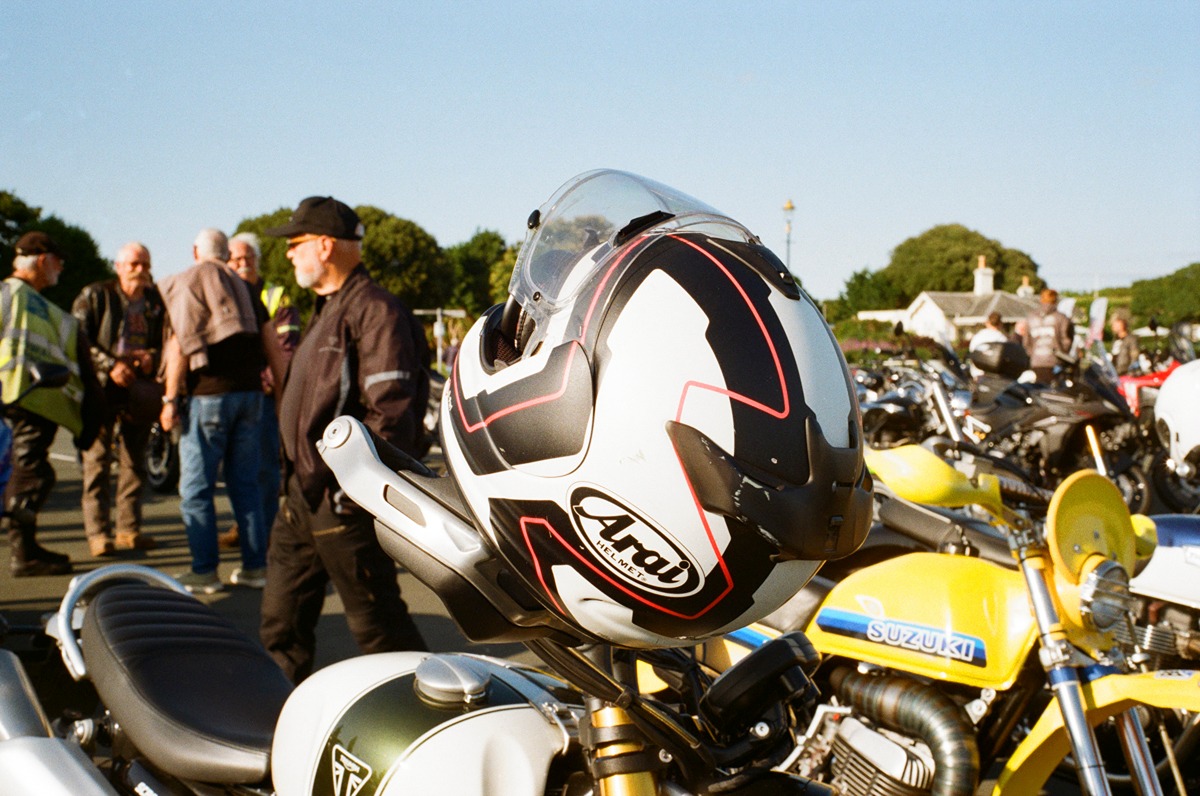
Before getting into the shooting experience, it’s worth appreciating the legacy in your hands. The Leica M2, introduced in 1957, was Leica’s attempt to simplify and improve upon the M3 for wide angle users. It features 35mm framelines, a welcome feature for anyone favouring street or documentary photography. The Summaron 35mm f2.8, released in the late 1950s, was a compact, high performing lens built for clarity and character. Its slow f2.8 aperture by today’s standards doesn’t diminish its strength. This particular lens had some light cleaning scratches on the front optic and a blemish on the rear optic but as you can see from the photos, it shoots perfectly fine.
To meter for shots, I used a Sekonic Flashmate L-308S. This little handheld meter made exposure setting incredibly straightforward. Point it at your subject or take a meter reading, dial in the settings on the Leica, and you’re ready to shoot. This battery powered light meter is perfectly accurate and a great companion when out capturing photographs.

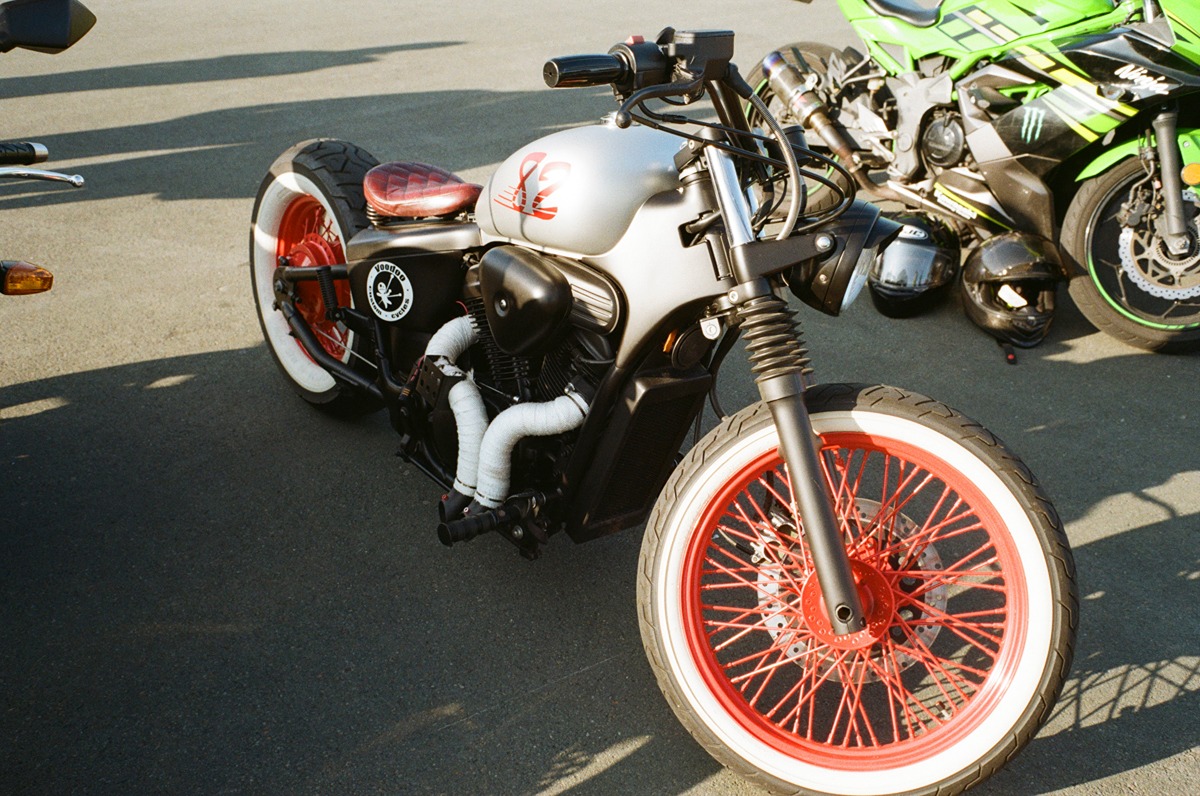
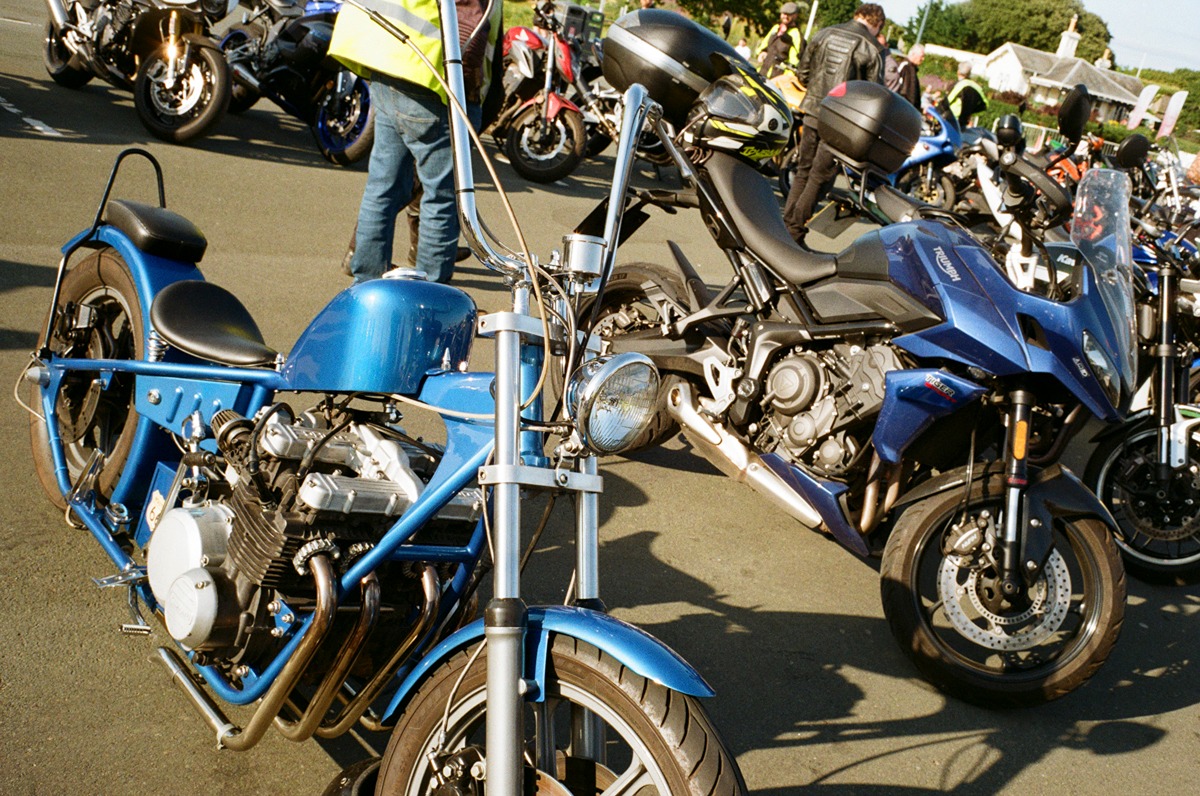
Focusing manually on the M2 is an engaging process, not a chore. The rangefinder patch was clear and bright but does require a slight calibration. Once you get into the rhythm, focusing becomes second nature.
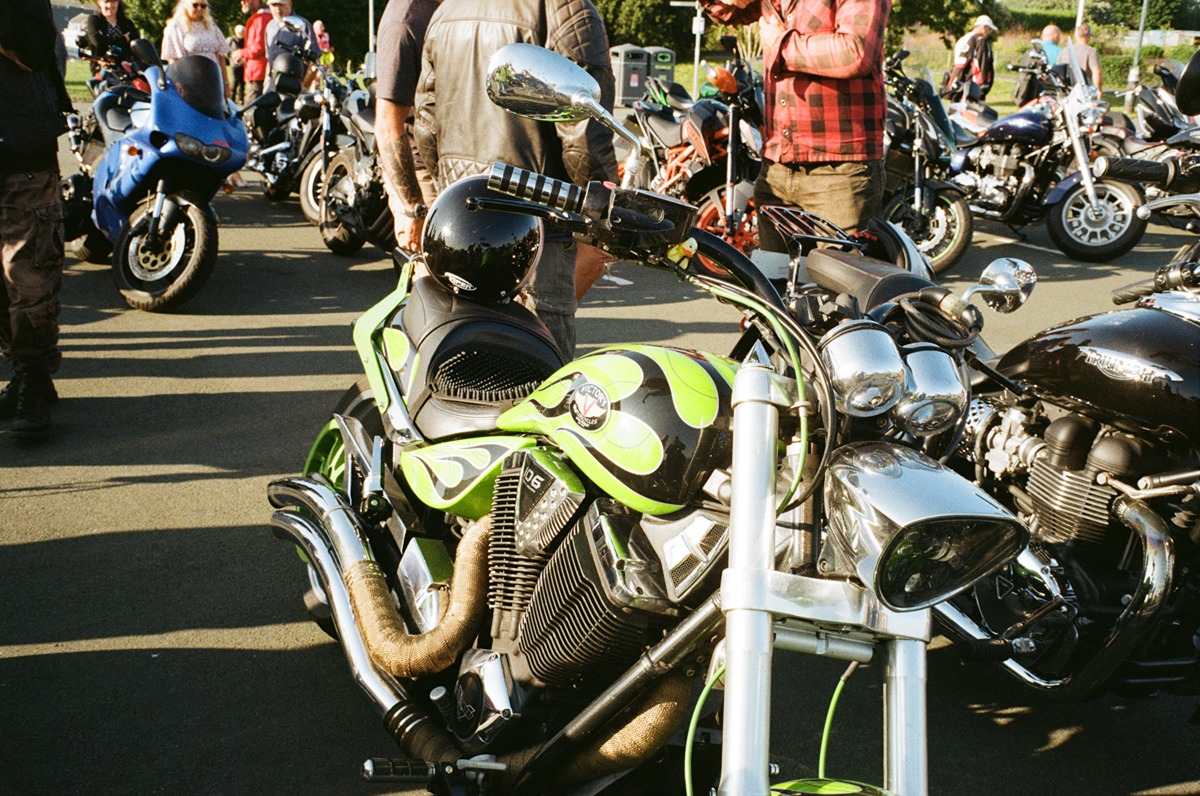
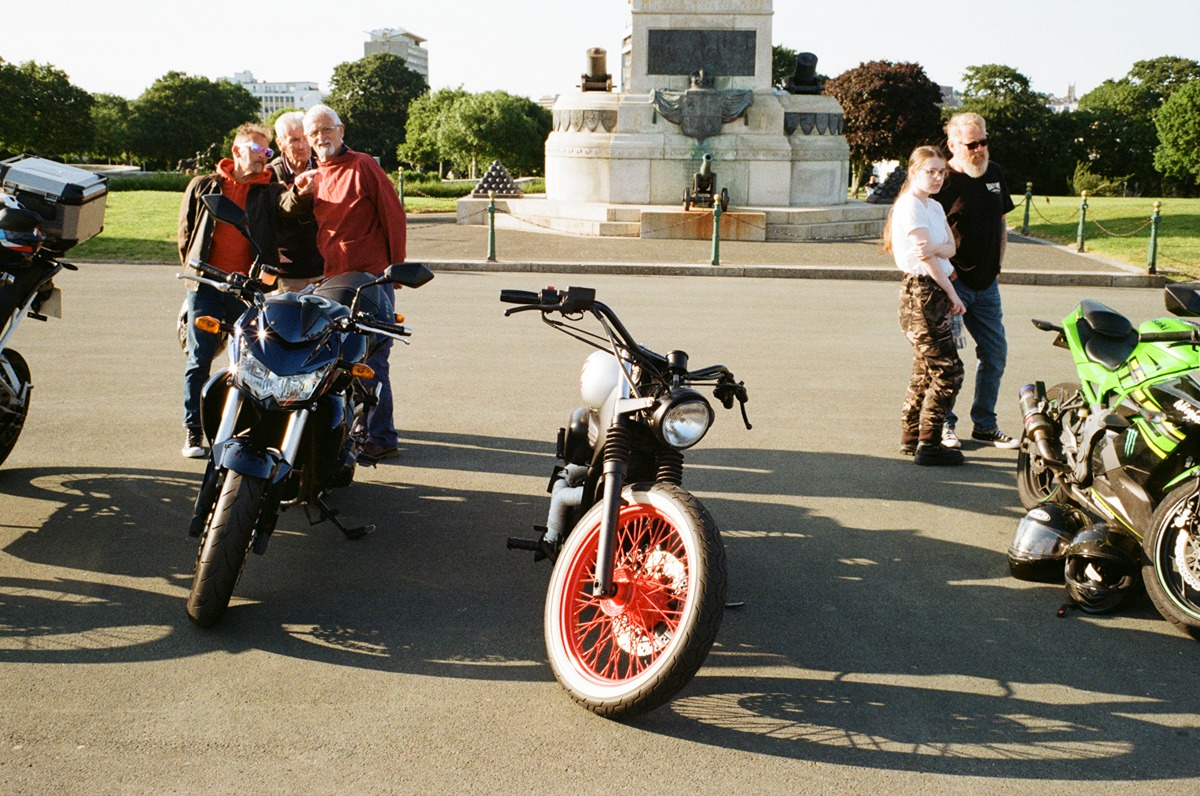
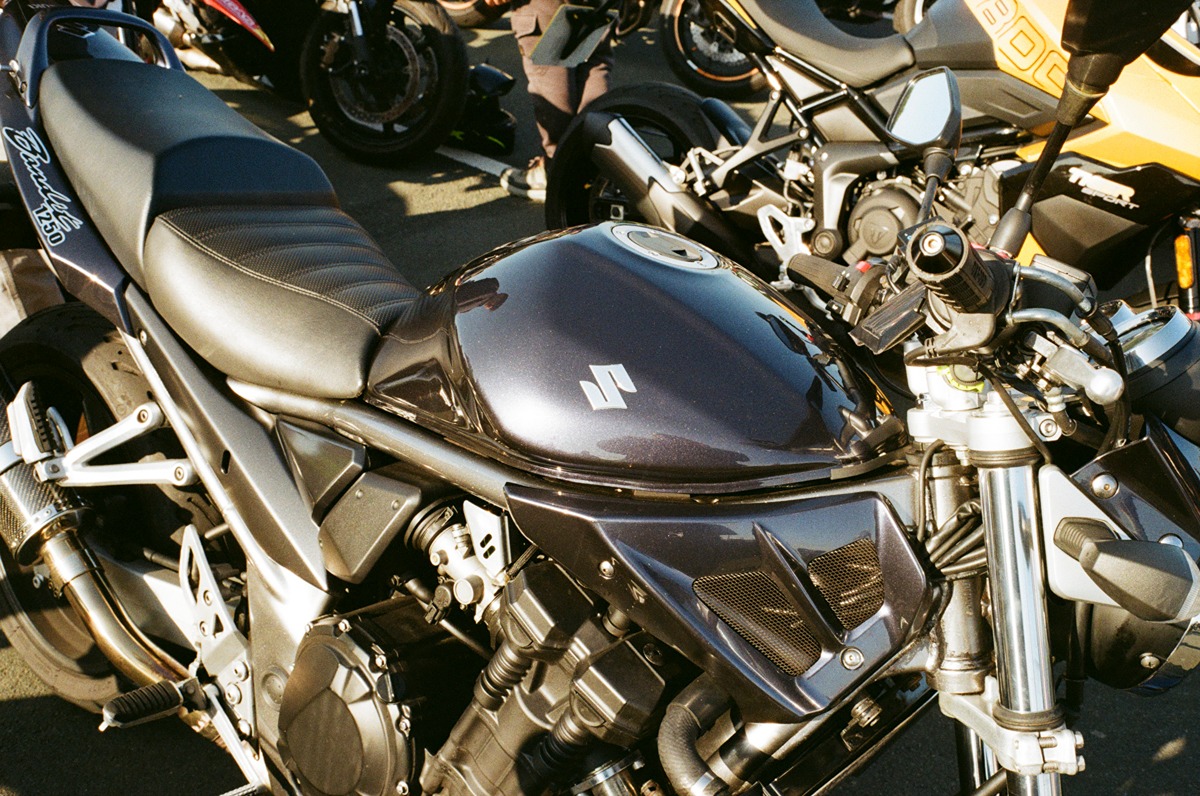
For this roll, I found myself on the Plymouth Hoe during Plymouth Bike Nights, where motorcycles lined the promenade. The Leica didn’t go unnoticed, a few bikers stopped to ask about the camera - some remembering similar models from their youth, others simply admiring its classic design.

As for the film itself, Kodak Pro Image 100 is an underrated gem. The film delivers warm tones, accurate skin colours and deep, rich contrast. On this evening, it brought out the gleaming detail of the bikes and subtle gradients in the fading summer sky. The reds and blues of paintwork popped beautifully without over saturation and there was more than enough dynamic range to hold both shadows and highlights.
Physically, the M2 and Summaron combo felt perfect in the hand. It’s compact enough for out and about picture taking, yet has a reassuring heft that speaks to Leica’s signature build quality. Even after a couple hours of walking, metering and shooting, the setup never felt burdensome.
In conclusion, my first experience shooting with a Leica was nothing short of delightful. The simplicity and precision of the Leica M2, combined with the classic rendering of the Summaron 35mm f2.8, created an experience that was both immersive and rewarding. The 35mm focal length continues to be a favourite for a reason, offering just the right balance between context and subject isolation.