Olympus Trip 35
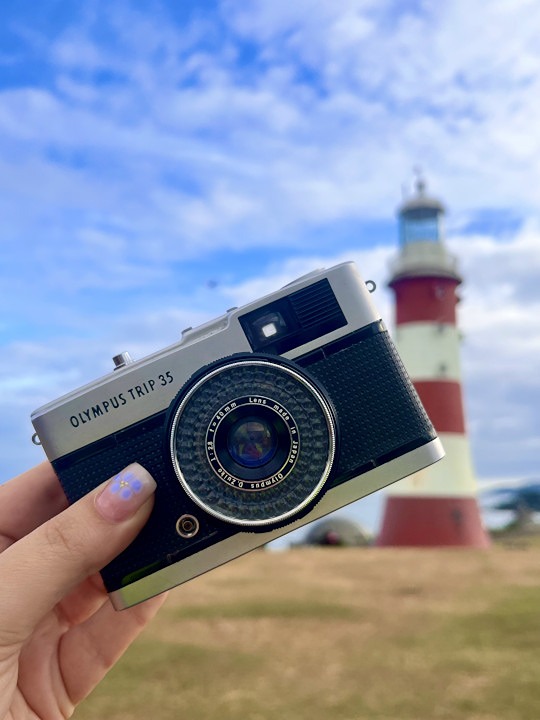
Shooting with the Olympus Trip 35 is a reminder that film photography doesn’t always have to be about complexity, it can be about ease, portability and pure enjoyment. Loading a fresh roll of Fujifilm 400 into the Trip 35 was quick and intuitive. Pop open the back, align the film over the sprockets, wind it a couple of times until it catches and close it up. The frame counter ticks into place and you’re ready to go. It’s the kind of user friendly process that makes the Trip 35 such a legendary companion for both newcomers and seasoned shooters.
The Olympus Trip 35 was introduced in the 1960s and sold in the millions through the 1970s and early 1980s. Branded as the ideal travel camera, perfect for capturing moments on holiday, hence the name ‘Trip’. It was designed to be compact, reliable and completely automatic. It featured a fantastic 40mm f2.8 Zuiko lens, known for its surprising sharpness and a selenium cell light meter that meant no batteries were required, a huge plus even today.
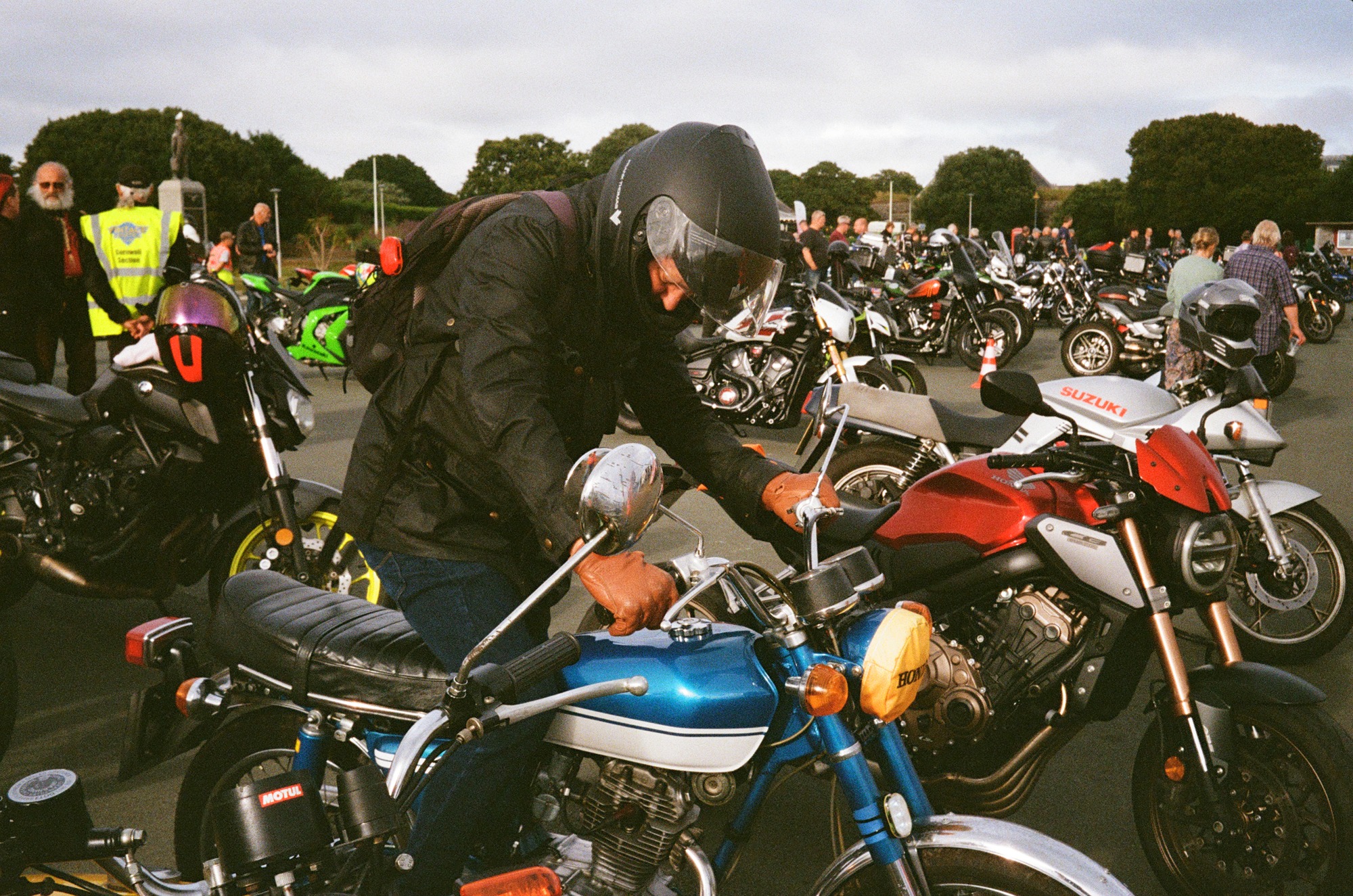
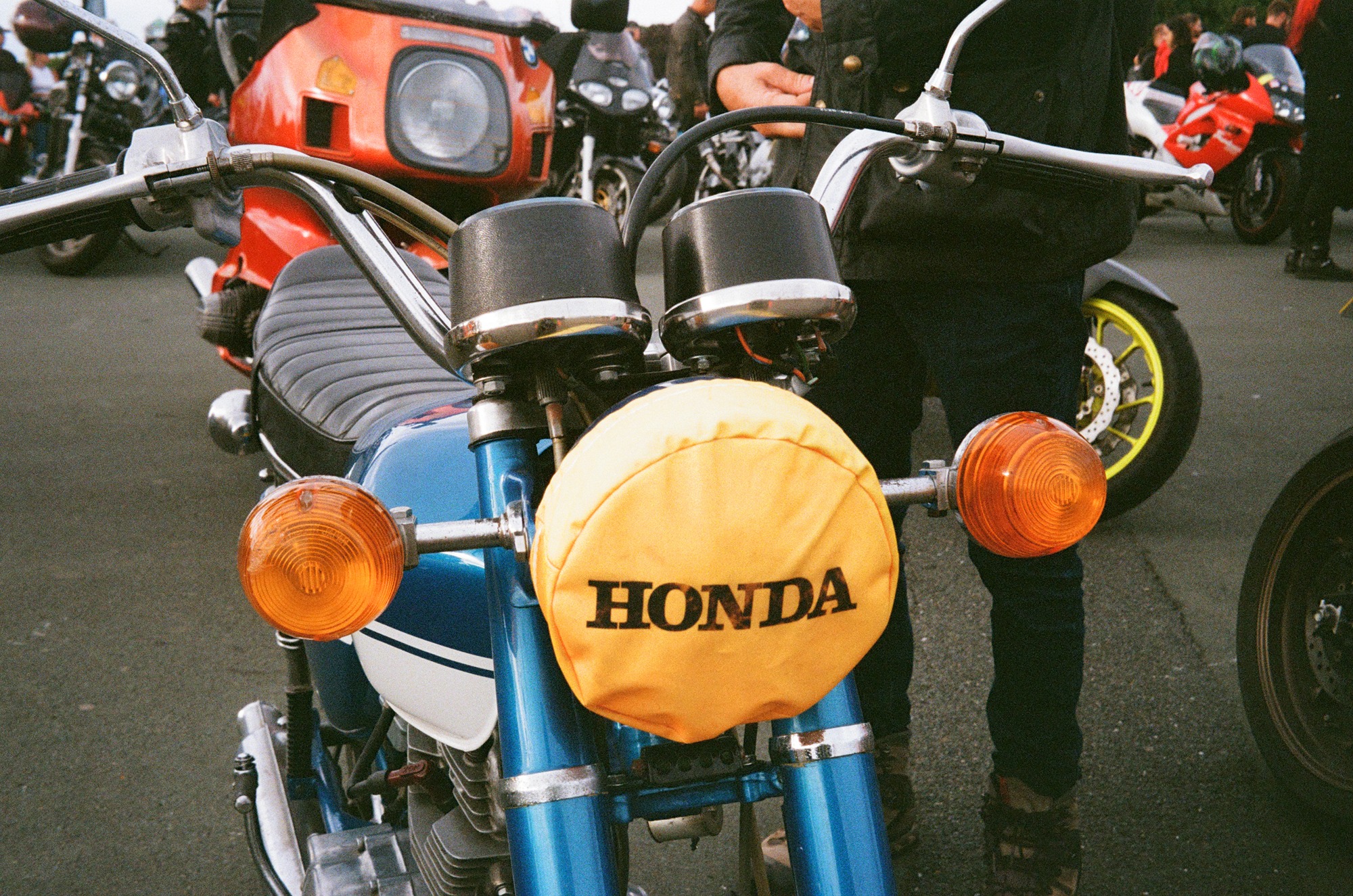
The camera uses a unique two speed automatic shutter system (1/200s for bright light and 1/40s for lower light) selected based on the light read by the selenium cell. It adjusts the aperture accordingly, providing you are on the A setting, giving you a decently exposed shot in most conditions without needing to do anything but frame and click. Otherwise you can select your own aperture by the ring on the lens. Focus is done via a simple four zone scale: portrait, couple, group and landscape. It couldn’t be simpler… just estimations that work surprisingly well once you get the hang of it.
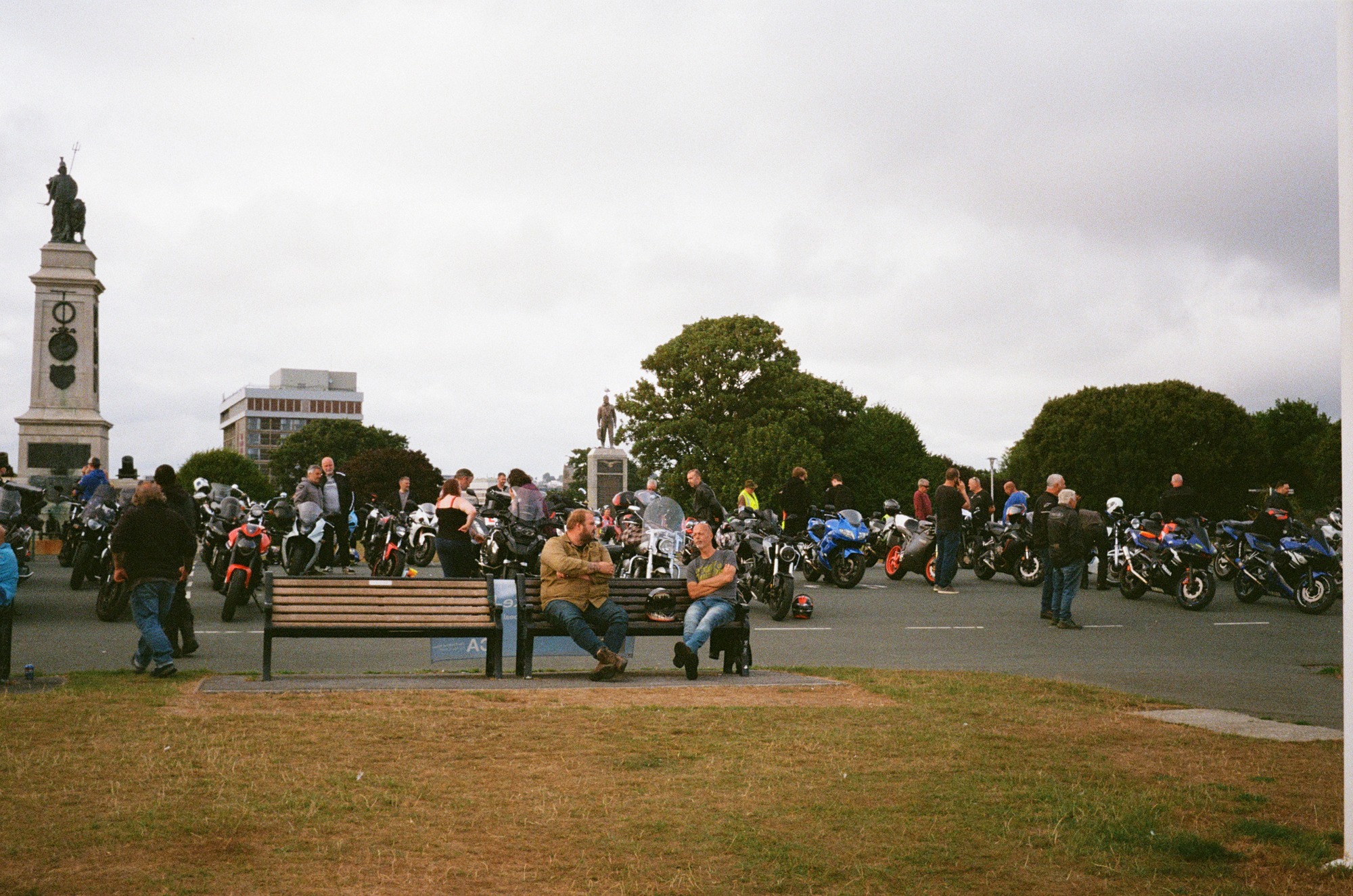
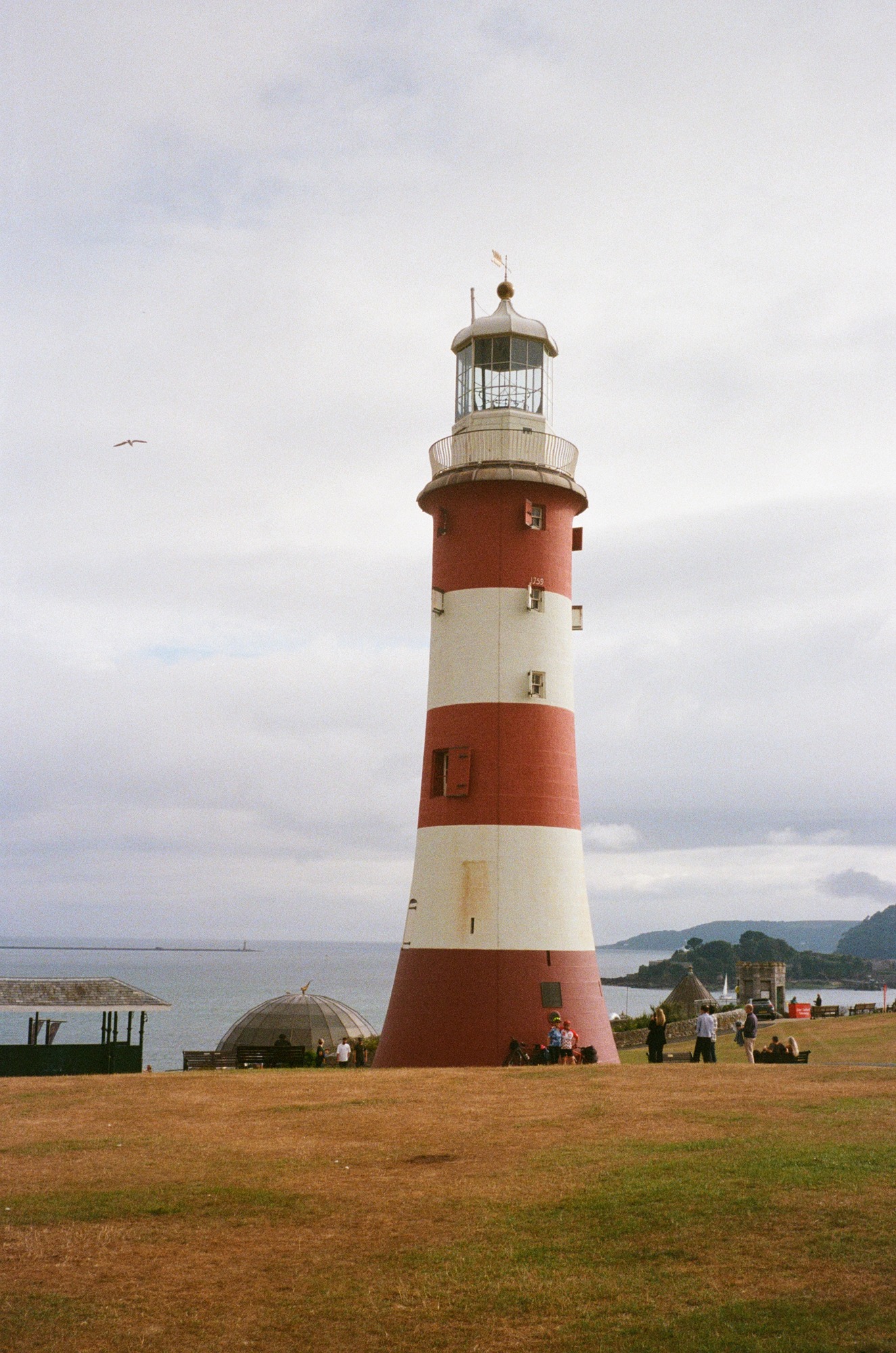
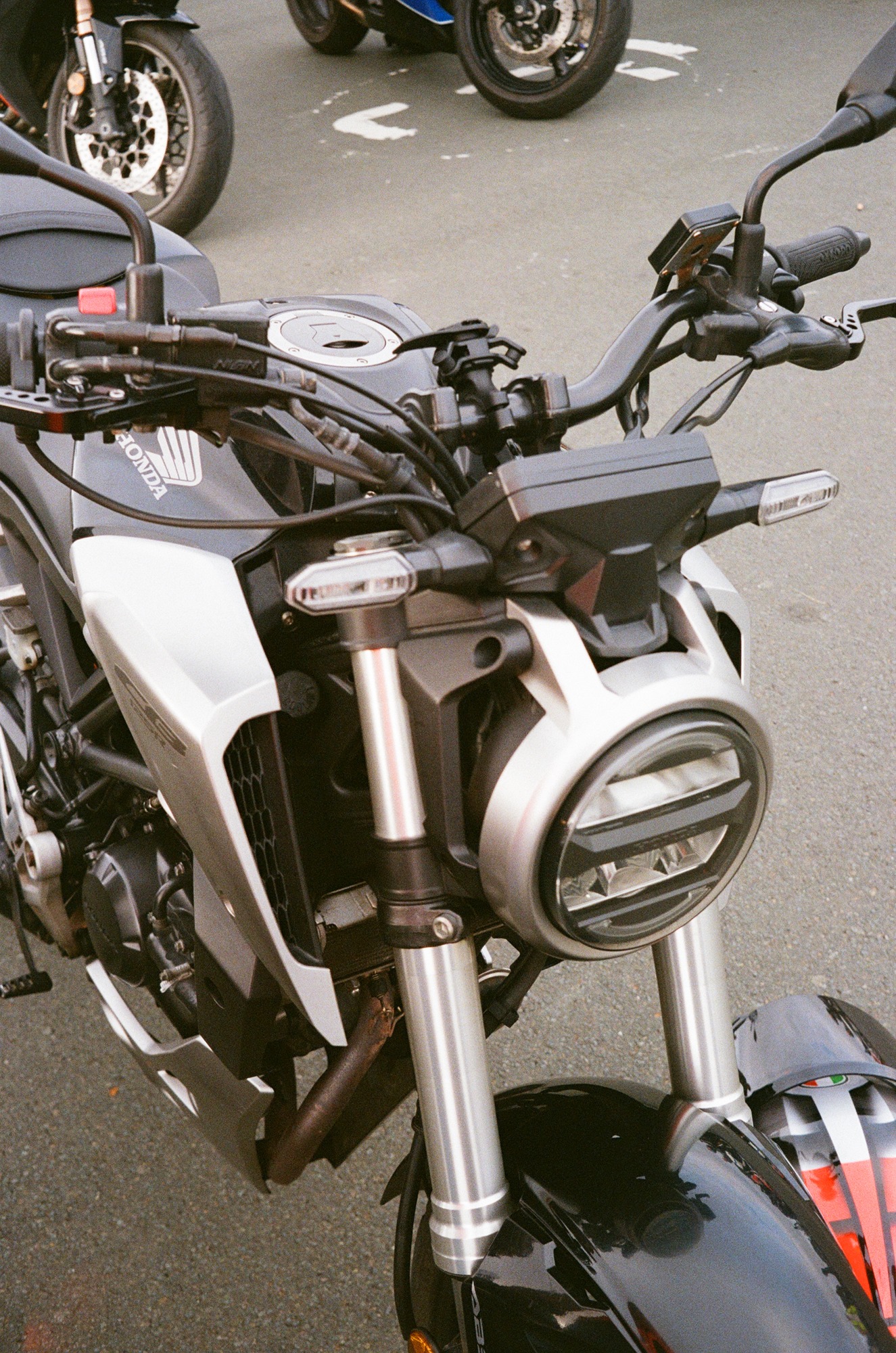
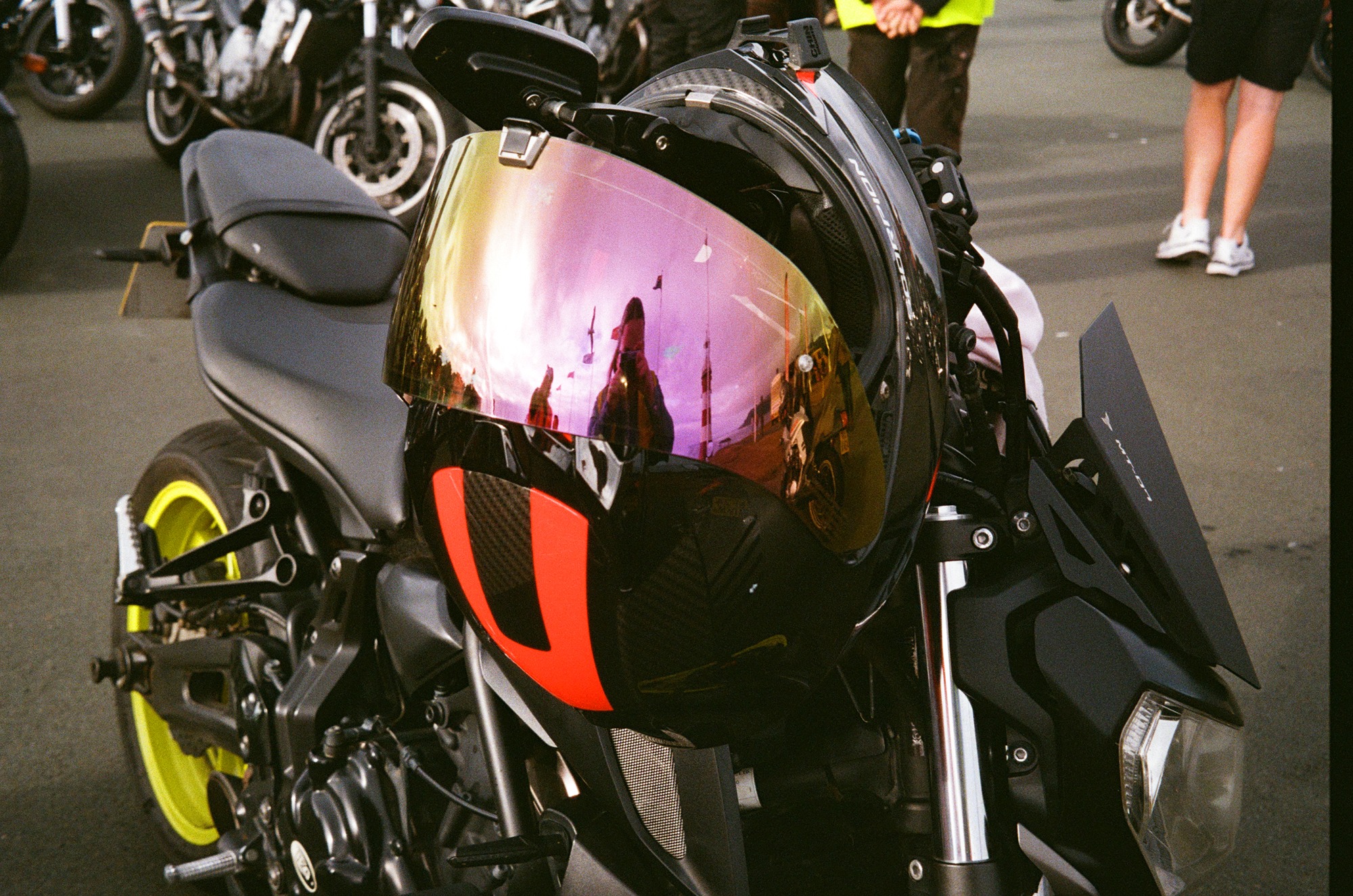
This particular roll was shot during Plymouth Bike Nights on the Hoe, where motorcycles of every make and model were proudly displayed by their owners. The Trip 35’s unobtrusive size and quick operation made it perfect for grabbing candid shots as the light shifted and sun was setting. Despite its small form, the sharpness and contrast from the Zuiko lens really brought out the detail on the bikes.
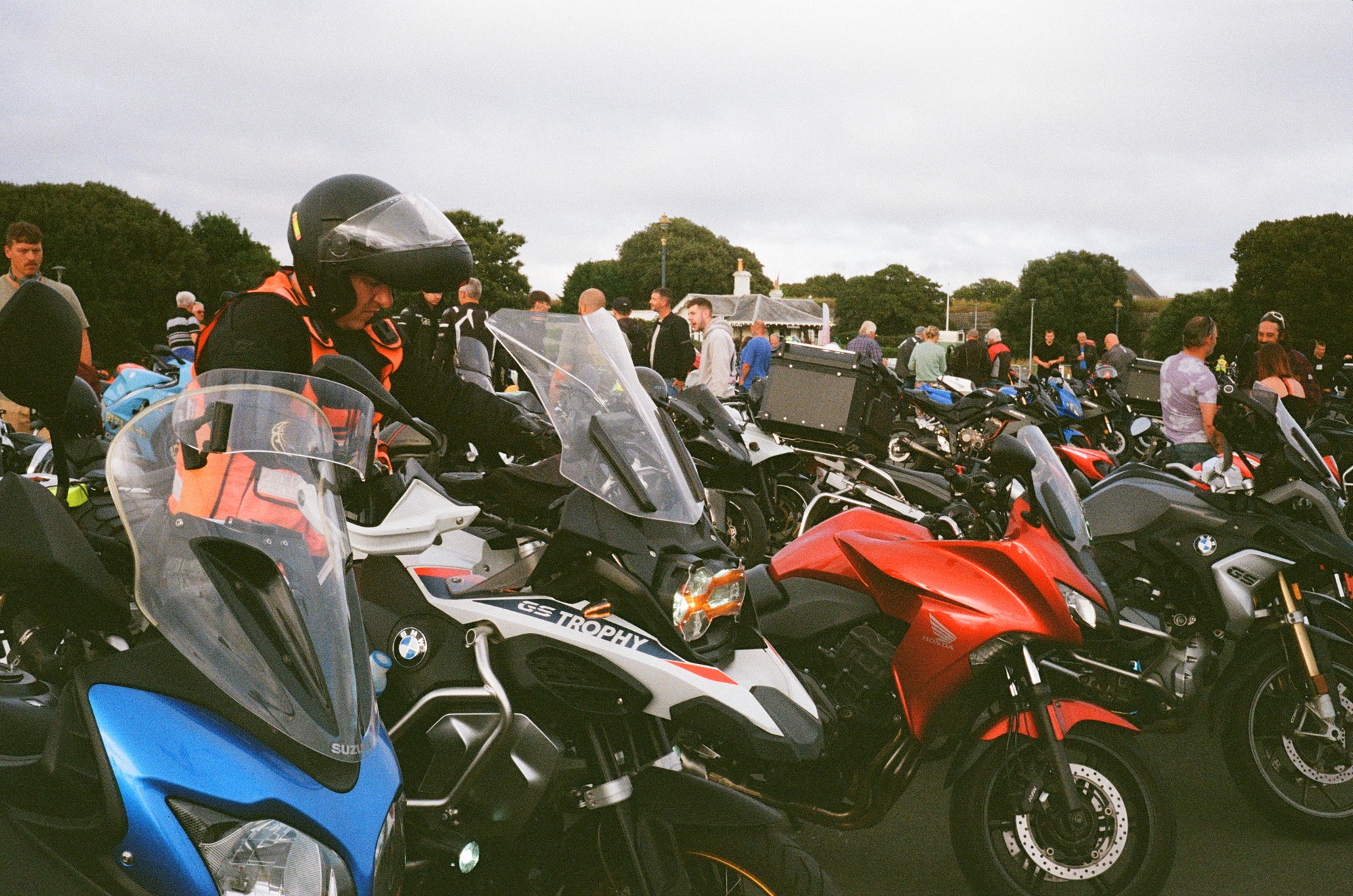
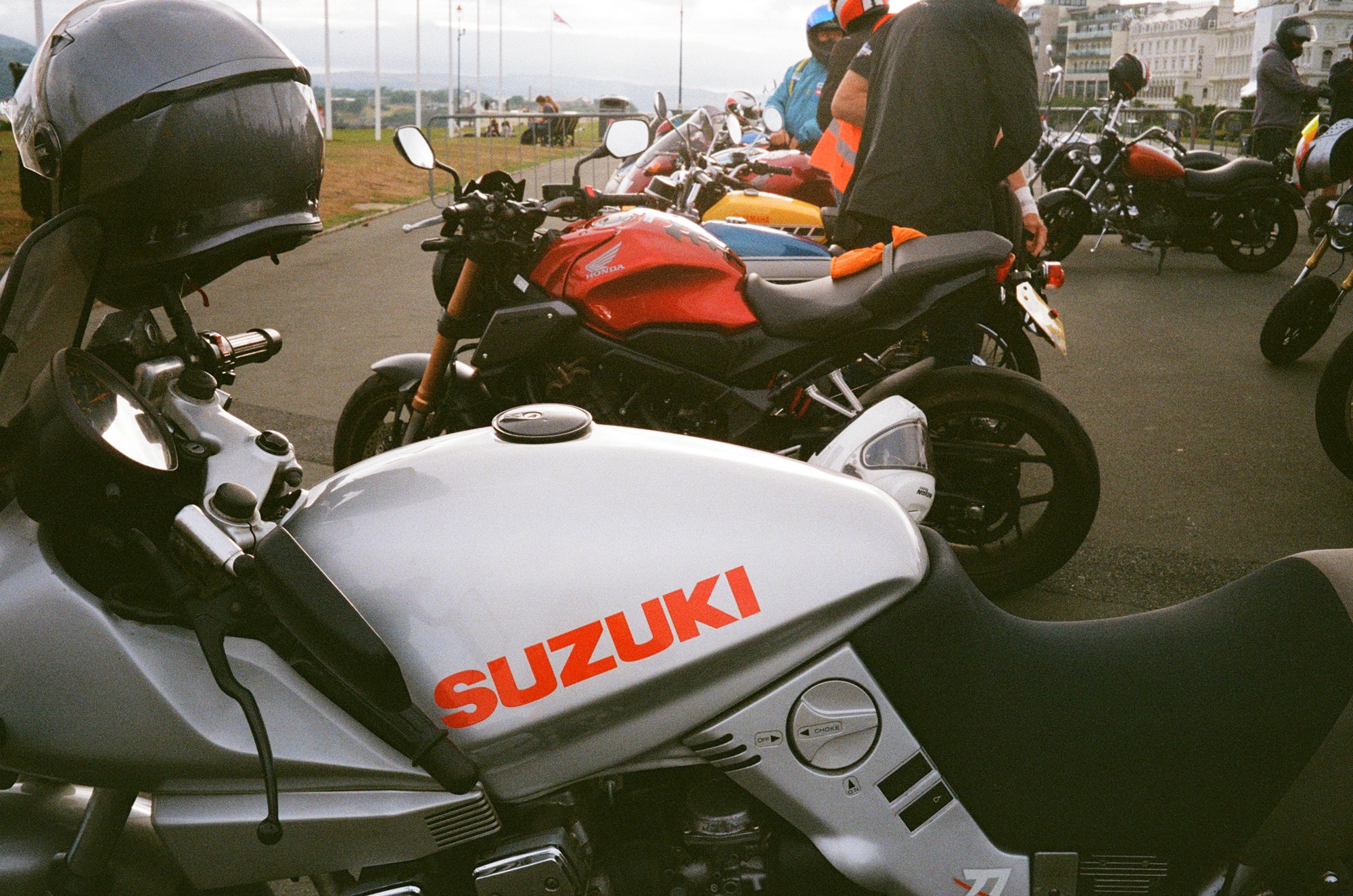
Fujifilm 400, with its slightly cool tones and fine grain, handled the early evening light wonderfully. This versatile film produced punchy green tones, fantastic red tones and vibrant blue tones. The grain structure is fine and produces traditional analogue results with rich detail. It’s a solid choice for outdoor street shooting and its ISO 400 speed matched the Trip’s simple metering system well, even as light began to fall.
Physically, the Olympus Trip 35 is a joy to use. It’s incredibly compact and lightweight but the metal body gives it a sturdiness that modern point and shoots often lack. One of its major advantages is that, unlike most automatic cameras of its era, the Trip 35 is fully serviceable, making it a truly long term investment for film shooters.
In conclusion, the Olympus Trip 35 is popular for all the right reasons: it’s easy to use, beautifully made and it delivers consistently strong results. Whether you’re a beginner wanting a simple introduction to film or a pro looking for a compact street companion, the Trip has you covered. Paired with a quality film like Fujifilm 400, it proves that sometimes the best camera is the one that lets you focus less on settings and more on the moment.